You came for the books, payroll setup on the provider you already run, and the return. Steven Palmieri, a Tax CFO and the Entrepreneur's CFO, closes the month with you and keeps that return tied to those books.
A virtual CFO reads the screen. A Tax CFO reads it with April on it.
Most remote CFO calls end at the cash view. The Tax CFO closes the month, names the decision, and checks it against the return before you act, because the decision that looks right in June can cost you in April. Same screen, one more column.
Which books are still open
You will be talking to the Steven Palmieri practice.
Steven Palmieri puts the Tax CFO title on the closed month, and the Entrepreneur's CFO title belongs to that same practice.
What the hour is actually for
People ask for a person on a screen because the company is wherever the owner is. The records are already online. The drive was never the part that made the numbers clearer.
What matters is an agenda before the hour and a decision at the end of it. A call without either of those is a demonstration. A demonstration is something you sit through. A decision is something you leave holding.
The agenda we use is short. Last month, tied or plainly not tied. The one thing that moved, named out loud, with a reason. One question, with the cash effect and the tax effect beside it. Then whatever is unfinished, and the name of the person who owes it.
Steven Palmieri is the Tax CFO on that call, and the Entrepreneur's CFO title belongs to this practice.
What has to be true before the decision
A decision priced on an open month is a guess with a confident voice. You hear that before the agenda moves on. If the bank and the books do not match, the decision waits, and we do not decorate the gap.
The tie is ordinary. Charges the statement shows and the books do not, deposits that have not cleared, checks that are still out. We name the difference. We do not hide it in a plug.
Unpaid bills, invoices customers still owe, and the owner's own draws stay in their own places. We keep the draw in the account that belongs to the owner, and we keep wages in the payday file that provider already sends. We do not fold that file into the draw. Mixing the two makes the next return tell a story the bank cannot support.
Reconciliations, statements, and a return from months that already tie. A hire, a truck, or an owner wage can still change the year.
The bank and the books have to agree before a hire or a truck is priced. If they do not, that choice waits, and we say so on the call.
What a good month feels like after
You stop attending a status meeting. You attend a decision, and someone else has already read the month. The sentence you leave with is one you could repeat to a partner.
The books, the return, and that one choice share the hour. The call ends when the choice is made, instead of wandering the software.
If a single working session is all the year needs, that is a complete answer and we will give it. You can take the agenda and run it with someone else. You still leave with an agenda you can run.
After the day ends
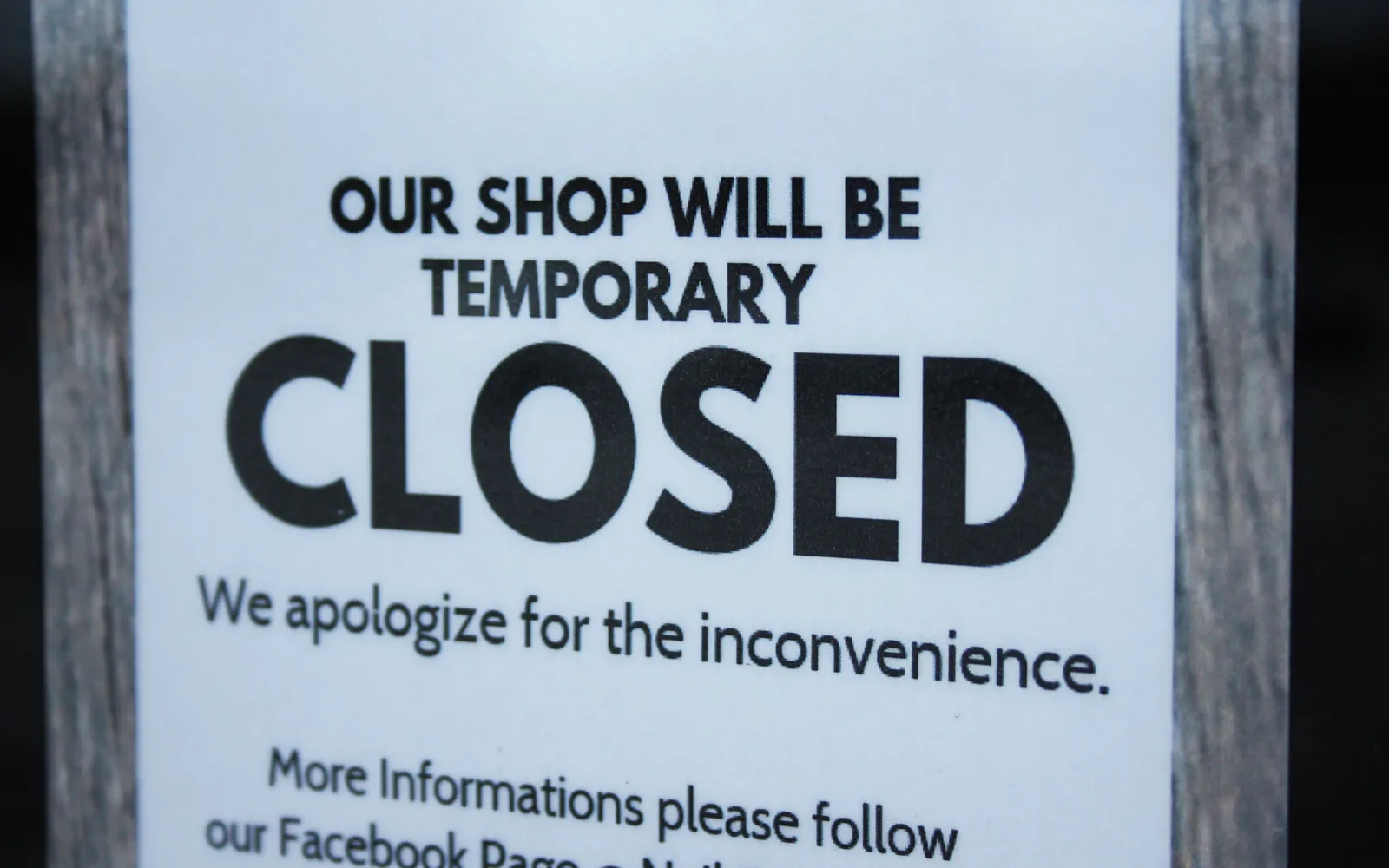
A notice on the kitchen table still surprises a week that felt finished. The bank does not care that the week felt calm. The month we already named still has to close on that same day.
After the shop lights go off, the question is whether the bank matches the books. That match is what we open before any hire or truck is priced. The day is not finished while the two still disagree.
After the day ends, the week's receipts still have to sit on paper before anyone calls the day finished. A full night of customers does not fill that row by itself. We open the notice on the table and the bank page together.
When the last customer leaves, the day is not finished. The questions on this page are the list that still has to be finished, and the month waits on that list.
What the six rows say in full
The open month is the tie between the bank and the books, done before anyone prices a hire or a truck. If last month is still open, that tie is the first hour.
The thirteen week note is the money you think will land, the money you think will leave, and the bank balance that remains after both. The rows are yours. We refuse to borrow a target number of weeks from anyone else.
What you take for yourself sits in its own account, apart from pay. We say so when a draw was booked as if it were wages.
Estimated tax is the set-aside for tax that payroll did not withhold. The dates we keep beside the close are the fifteenth of April, the fifteenth of June, the fifteenth of September, and the fifteenth of January. The set-aside we discuss is the one the closed year already supports. No figure for that payment gets made up during the hour.
Payday on this page is setup. Registrations, pay items, and the first calendar live on the provider you already run. Once setup is finished, payday belongs to that provider and not to this practice.
If the work would send an audit, a review, or a compilation out the door, this hour stops. The boundary you need is written on disclosures.
Leave the open month here
Tell us which month the bank has not matched yet.
You will be talking to the Steven Palmieri practice.